
The Hidden Cost of “We’ve Always Done It This Way”
“The most dangerous phrase in the language is ‘we’ve always done it this way.’”
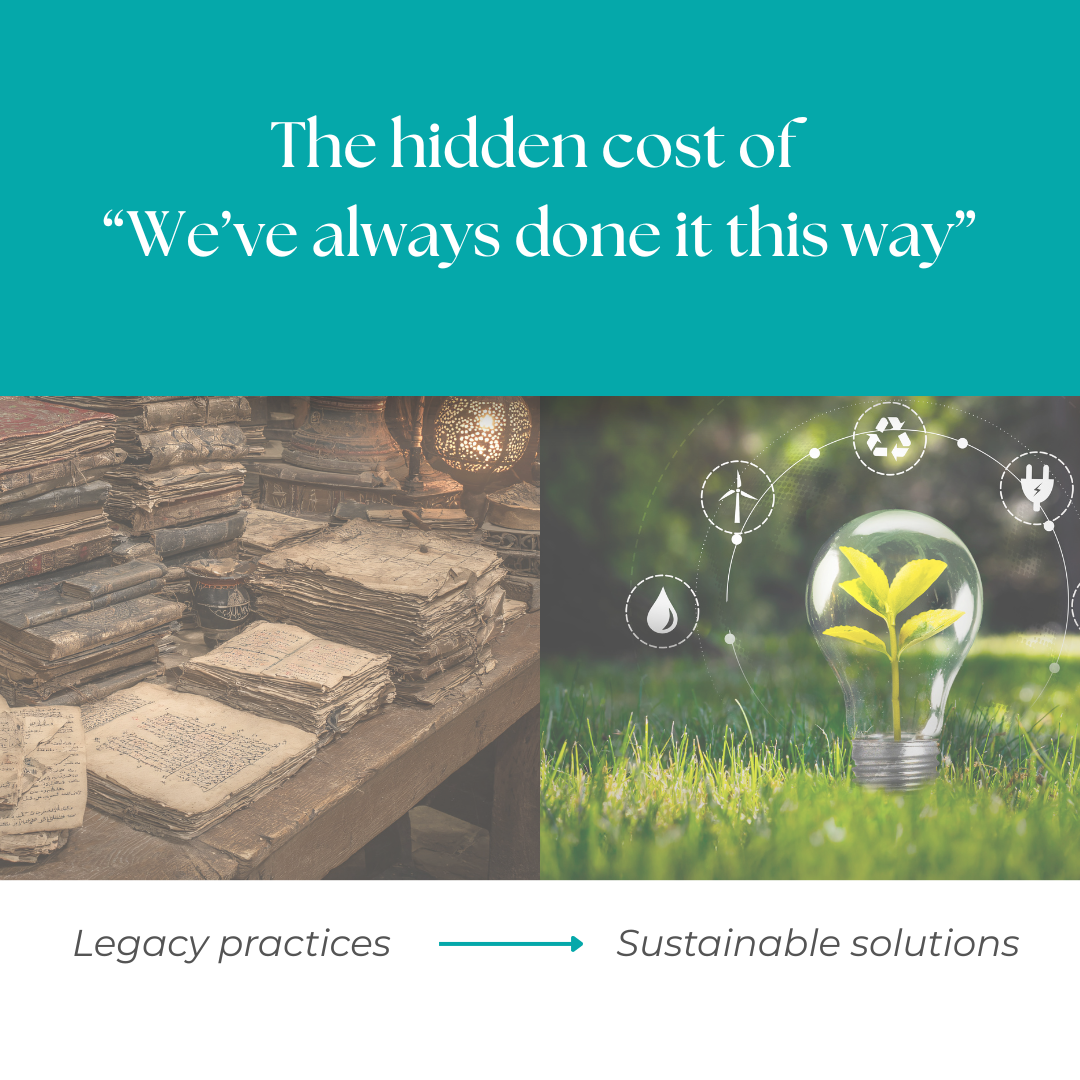
There’s a phrase I hear in almost every nonprofit I work with:
“Well… we’ve always done it this way.”
It’s usually said kindly.
Sometimes defensively.
Often with a sigh.
And while it can sound harmless—even practical—that phrase carries hidden costs that many organizations don’t see until stress, stagnation, or staff turnover forces the issue.
Let’s take a closer look at what’s really happening beneath the surface.
Why “We’ve Always Done It This Way” Feels So Reasonable
In busy nonprofit environments, familiarity can feel like relief—especially when teams are understaffed, under-resourced, and juggling constant demands.
So it makes sense that organizations stick with:
The same annual events
The same appeal formats
The same board roles and expectations
The same internal processes
Change feels risky. Keeping things as-is feels efficient.
But that efficiency is often an illusion.
Where the Hidden Costs Show Up
The real cost of “we’ve always done it this way” isn’t just outdated practice—it’s what those practices require from people.
Here’s where I see the strain most often:
1. Events That Drain More Than They Deliver
Legacy events are frequently kept on the calendar because they’re tradition—not because they’re effective.
Over time, they can:
Consume disproportionate staff time
Rely on last-minute heroics
Generate stress that outweighs net revenue
When no one feels allowed to question the event, the cost becomes normalized burnout.
2. Communications That Miss the Moment
Appeals and messaging often follow the same scripts year after year—even as donor expectations, attention spans, and giving behaviors change.
The result?
Messages that feel stale or generic
Fundraisers working harder for diminishing returns
Missed opportunities for deeper connection
“We’ve always done it this way” can quietly mean we’ve stopped listening.
3. Board Roles That Are Vague—or Unrealistic
Many boards operate on inherited expectations that were never clearly defined or updated.
This often leads to:
Fundraisers carrying the bulk of the fundraising load
Board members unsure how to help—or afraid to ask
Frustration on all sides, with no shared language to address it
Legacy assumptions replace clarity, and everyone feels stuck.
The Organizational Cost No One Budgets For
Perhaps the biggest hidden cost is this:
People adapt themselves to broken systems.
Fundraisers work longer hours.
Executives absorb stress quietly.
Teams normalize urgency and exhaustion.
Instead of asking, “Does this still make sense?” the question becomes, “How do we survive this again this year?”
That’s not a capacity problem—it’s a systems problem.
What This Has to Do With Sustainability
Sustainable fundraising isn’t about doing more.
It’s about regularly asking:
Does this still serve our mission?
Does this still fit our current capacity?
What problem was this practice originally solving—and is that still true?
Honoring the past doesn’t mean being trapped by it.
Healthy organizations revisit their systems with curiosity, not judgment.
A Gentle Starting Point
You don’t need to fix everything at once.
Start here:
Name one legacy practice that feels heavy
Ask what it costs—not just financially, but humanly
Get curious about what’s being protected by keeping it unchanged
That curiosity is the doorway to better systems.
And it’s exactly where we’ll be heading next—because next month’s focus is all about the systems that either support your work… or quietly undermine it
Because “we’ve always done it this way” shouldn’t be the reason your organization stays stuck.
